
Vertical Migration
The hot European summer was invented in 1923, and this year the continent began quietly handing it back.

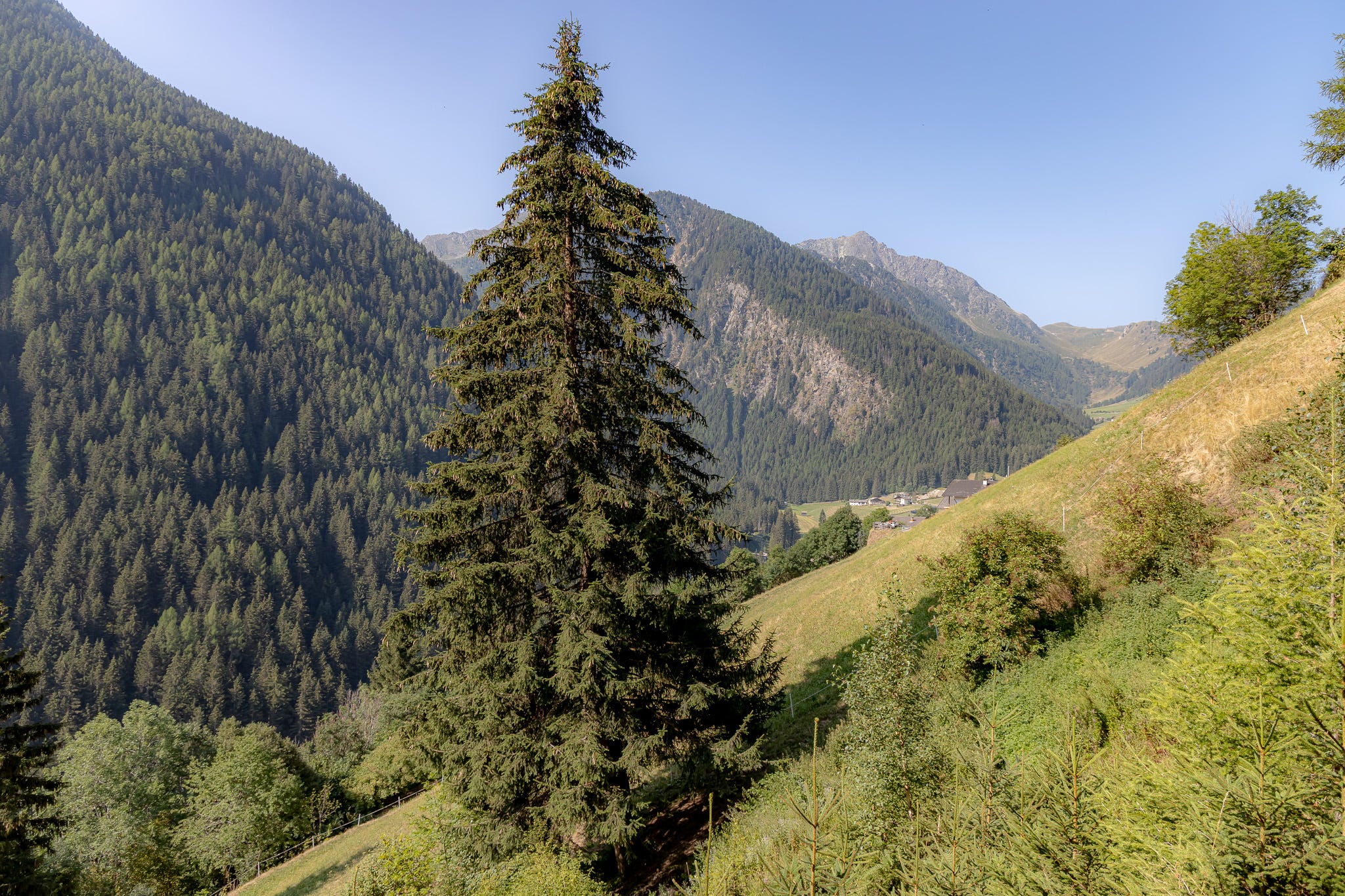
Somewhere near Vipiteno-Sterzing this August I listened to a Neapolitan grandmother explain to a Ladin waitress, at length and with feeling, everything that was wrong with the coffee, and understood that the map of the European summer had quietly turned over while nobody was looking.
The valley had the wrong soundtrack. My wife and I had come to the Alps for five summers, long enough to develop the mild proprietorial smugness of the person who found a place early, and long enough to have learned its acoustic signature: German in the shops, Ladin in the older villages, a certain flat Milanese Italian in the parking lots, and, above all, that specifically Teutonic quiet with which large numbers of Bavarians occupy a mountain. This year the parking lot below the cable car read like a census of the Mezzogiorno: NA, RM, BA or CE. Families arriving in convoy, unloading strollers and coolers and grandmothers, wearing hiking boots so new that the soles still had the little tufts of factory rubber on them. On the trail to the refuge, children were being addressed in the imperative in three southern dialects at once. At the summit station, where there is a bar with a terrace and an unimpeded view of the peaks doing their famous trick with the evening light, a man from Rome held up his phone to show his brother-in-law, back home, what nineteen degrees looks like.
I want to be precise about my own position here, because it is not flattering. My wife and I made this switch five years ago, and we did so for exactly the reason everyone else is now making it: our apartment in Milan becomes, for twelve weeks a year, an oven for cooking two adults slowly. We told ourselves at the time that we had discovered something: a taste for altitude, a late-blooming appetite for walking uphill in silence, a Central European sobriety that suited us better than the sociable roasting of the Adriatic or Tyrrhenian coasts.
We were early. Being early is not the same as being right, and it is emphatically not the same as being interesting, as anyone who bought a flat in a neighborhood before it became fashionable will tell you at tedious length. What we had actually done was to respond, slightly ahead of the median, to a thermometer.
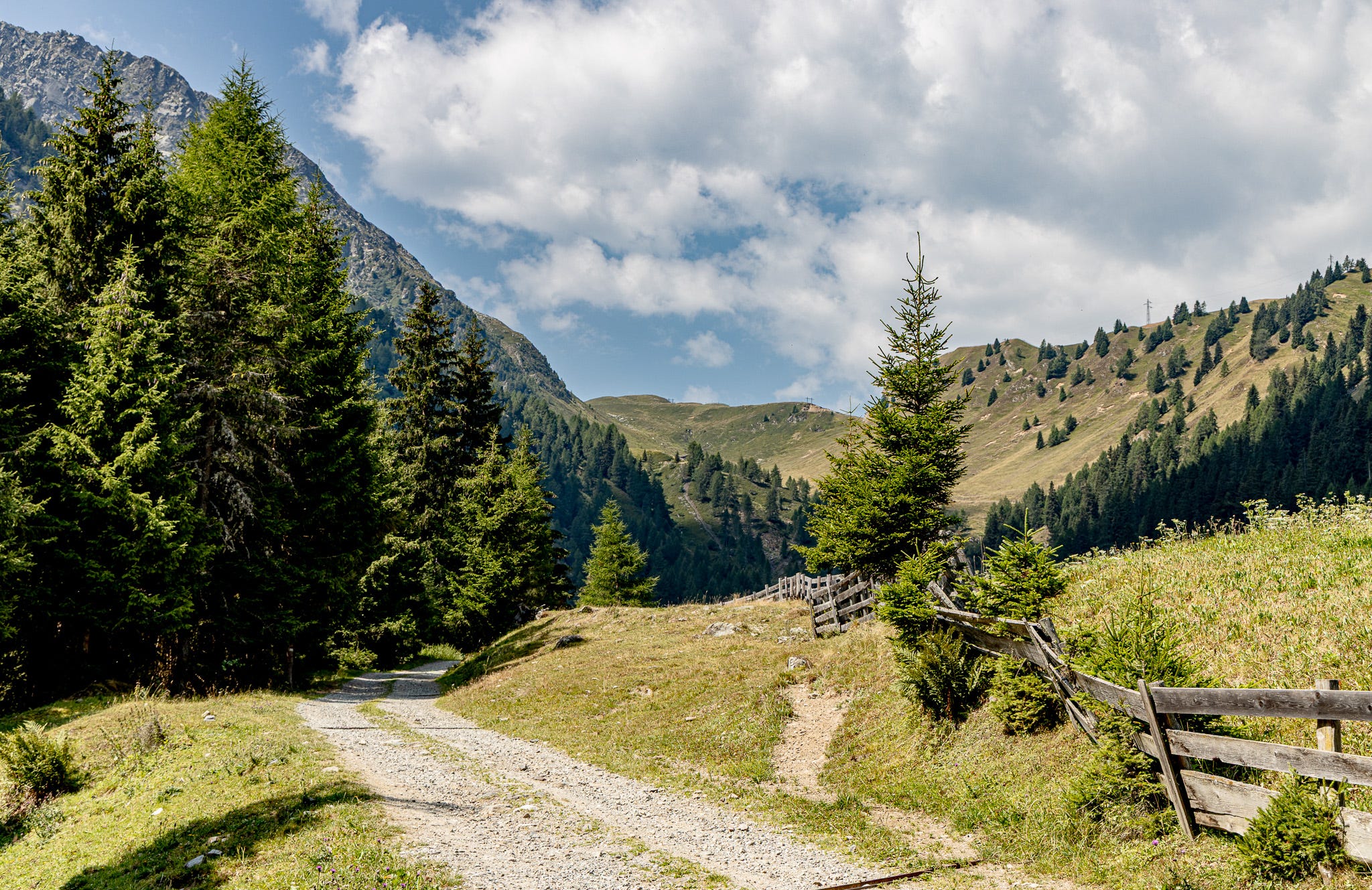
The numbers arrived this summer to confirm the impression, which is usually the moment a private eccentricity becomes a public phenomenon and therefore stops being fun.
The Italian tourism research institute JFC expects around 7.8 million arrivals in the mountains this summer, an increase of 14.4 percent, with more than 79 million overnight stays and a turnover of 6.6 billion euros. It attributes this, without embarrassment, to the effetto fuga dal caldo, the flight-from-heat effect. The most revealing figure is not the total but the velocity. In the first week of June, 14.6 percent of Italians named the mountains as their principal holiday destination. By the first week of July, it was 19.1 percent. That is not a trend, that is people changing their minds in real time, in the middle of a heatwave, with the booking site open in another tab. Federturismo puts the total at nearly eight million Italians choosing the mountains, with Trentino-Alto Adige as the reference destination. Trip.com reports that searches for cooler destinations rose 74 percent year on year in the first half of 2026. Somebody has coined the word coolcation, which I mention only so that we can agree never to use it again.
At the other end of the movement, the Italian beach is experiencing something that its operators describe with genuine bewilderment. The bathing establishments’ union reports foreign presences up ten percent and Italian presences down by as much as fifteen. On the Romagna riviera, July came in fifteen to twenty percent below last year. The image the newspapers have settled on, and it is a good one, is of hotels reporting full occupancy while, two hundred meters away, the rows of umbrellas stand empty and the beach vouchers included in the all-inclusive package lie unused in the drawer of the bedside table. The guests are there, but they have simply declined to go outside.
Behind the season sits the structure. The European Commission’s Joint Research Centre modelled 269 European regions and found a clean north–south inversion: under three to four degrees of warming, southern coastal regions lose almost ten percent of their summer tourists while northern coasts gain around five, and across the continent interest drains out of July and pools in April. Fifty-two regions across Bulgaria, Greece, Cyprus, Spain, France, Italy, Portugal and Romania are projected to lose flows outright. This is a forecast about which parts of Europe will still be pleasant, and it happens to be expressed in bed-nights because bed-nights are what we know how to count.
Honesty requires a qualification, and I make it with some reluctance because it spoils my anecdote. In South Tyrol the composition of the guest list has not yet flipped. Last summer Germans still accounted for 9.58 million overnight stays, more than half again the Italian 6.17 million, and while the German figure fell 3.5 percent and the Italian rose two, that is a drift, not a reversal. A local paper in Bolzano has been pointing out, with the particular acidity of provincial journalism, that arrivals in the city this May were actually slightly down on the previous year, despite four hundred additional beds, and that the boom is being narrated more energetically than it is being lived. Fine. But this is itself the interesting fact. What I heard in that valley was not a demographic majority. It was a signal, arriving ahead of the statistics, the way a change in the wind arrives ahead of the weather. We perceive inversions before we can measure them, which is a nuisance for economists and a gift for essayists.
Here is the part that undoes the whole story we have been telling ourselves.
The European summer holiday, the one being abandoned this year, is 103 years old. Before the 1920s, the Mediterranean coast was a winter resort. The English, the Russians, the Germans, and the wealthier French went down to Nice, Menton, and Cannes between November and April for the mildness, and they went home in spring. The hotels shuttered from May to September. Nobody swam. A suntan was not a trophy but a stigma, the mark of a body obliged to work outdoors, and the whole apparatus of parasols and long sleeves existed to prevent one. Then, in 1922 and 1923, an American couple named Gerald and Sara Murphy persuaded the Hôtel du Cap at Antibes to stay open through the summer so their friends could come down, and their friends were Picasso, Cocteau, Dos Passos, the Fitzgeralds. By 1927 Jean Patou was selling the first mass-market tanning oil. Within a generation the sun had been converted from a hazard into a luxury good, and within two it had become the organizing principle of the continent’s only genuinely universal ritual.
And what did those same wealthy Europeans do in the summers before 1923, in the months they refused to spend on the coast? They went to the mountains. Of course they did. They went up, for the freshness, exactly as the Neapolitan families in the parking lot at Vipiteno are going up now, and for exactly the same reason.
So the shape of the thing is not what the travel supplements think it is. We are not witnessing the invention of a new taste. We are witnessing the expiry of one, and the return, under duress, of the arrangement it replaced. The hot summer was an artifact. It was made in a specific decade by specific people with a specific amount of money, and it was viable only within a narrow band of climatic moderation that we mistook, as one does, for the permanent condition of the world. It felt like nature because it was old enough to have outlived everyone’s grandmother. Climate change is not giving Europeans a new desire, but it is repossessing a desire and, in the process, revealing it to have been a rental all along.
A century of oiled bodies, of Ferragosto traffic reports delivered in the tones of a military communiqué, of the moral seriousness with which the Milanese middle class approached the question of the beach umbrella’s position relative to the shoreline, and it turns out to have been a fashion. Not a shallow one. Fashions are never shallow: they are the deepest thing we have, being the form in which a civilization decides what a body is for. But a fashion with a start date and, apparently, now an end date.
What returns is not, however, what left. The pre-1923 summer in the mountains had a name, villeggiatura, and it was a genre before it was a practice, complete with its own theatrical literature about people ruining themselves to maintain a country house they did not enjoy. Villeggiatura was withdrawal from a season. It presupposed that the city in August was tedious, unhealthy, socially empty, and that one’s absence from it was itself a statement. It was a form of leisure, which is to say a form of freedom, which is to say a form of display.
What is happening now is not that. What is happening now is transhumance. The Alpine valleys have moved their livestock uphill in June and downhill in September for as long as anyone can remember, following grass and temperature, and the practice is so old that UNESCO has put it on a list. We have joined the herd. The 7.8 million are escaping a threshold, the point above which a human body in an un-air-conditioned apartment in Naples or Milan in August stops functioning properly. The distinction matters, and it shows up in the data as a faint signature: arrivals are rising faster than overnight stays, which means the average stay is getting shorter. People are not settling in for the summer. They are going up for a week, taking a deep breath, and coming back down. That is not a holiday. That is a decompression stop.
Consider what this costs us. Ferragosto is the Feriae Augusti, instituted by the emperor in 18 BC, and it survived paganism, Christianity, industrialization, and the automobile to become the last moment when an entire European country did the same thing at the same time. Whatever one thinks of the mass beach as an aesthetic proposition, and I think what everyone thinks, it was a genuine universal: shared, calendrical, cross-class, gloriously vulgar, and entirely real. It is now dissolving into staggered, thermally-driven, individually optimized movements. September, the industry reports cheerfully, is becoming the new holiday month. Note what that cheerfulness conceals. A synchronized ritual is being replaced by a distributed logistics problem, and the replacement will be more comfortable, better value, and much less like belonging to anything.
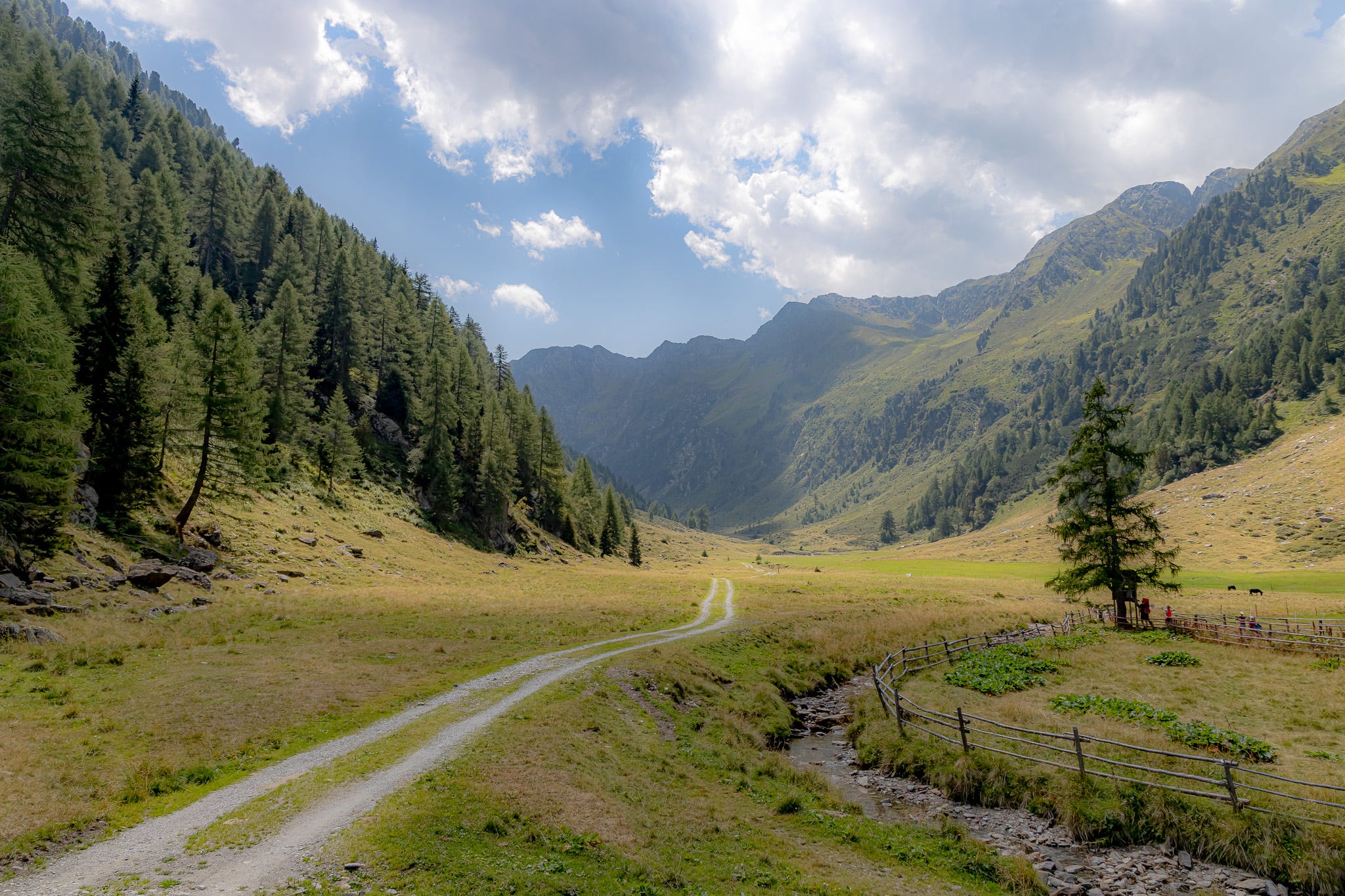
The refuge, meanwhile, is dissolving faster than the thing we are fleeing.
For several days this July the zero-degree isotherm in the Alps stood between 5,500 and 5,800 meters, roughly 1,400 meters above where it belongs in summer, which means that every peak in the range, without exception, was above freezing. Alpine glaciers are now losing mass at about twice their historical rate. Italian scientists have called 2026 the worst year on record for the glaciers of the Aosta Valley, with the season not yet finished. Summer skiing above Zermatt and Cervinia closed because the glacier could not take it. The ice tunnel at the Aiguille du Midi was shut. A section of the Matterhorn came off and sent a dust cloud into the valley. Projections suggest that by 2100, you will need to climb an additional 700 vertical meters to find the conditions that today’s July provides.
Seven hundred meters is a number worth sitting with, because it converts the whole vocabulary of escape into a schedule. The cold has not stayed put waiting for us. It is also moving in the same direction we are, and it has a head start.
In 1336, or so he tells us, Petrarch climbed Mont Ventoux for no reason except to see the view from the top, and European letters has been dining out on the episode ever since as the moment the modern interior self was invented: the man who ascends a mountain in order to have an experience, and who then opens Augustine at the summit and is rebuked by his own book for looking outward. We ascend now to consult a different instrument. The mountain is no longer a place where the soul discovers its own altitude, but a place with a favorable microclimate, reclaimed from the sublime and put to use as continental air conditioning. Kant found in the Alps the occasion for a feeling in which reason discovers its superiority to the merely enormous. We have found in the Alps somewhere we can sleep.
I do not say this with contempt as I am one of the people in the queue for the cable car. I say it because there is something worth noticing in the way a category collapses: the sublime does not get refuted, it gets repurposed, and the repurposing is always performed by people with perfectly good reasons.
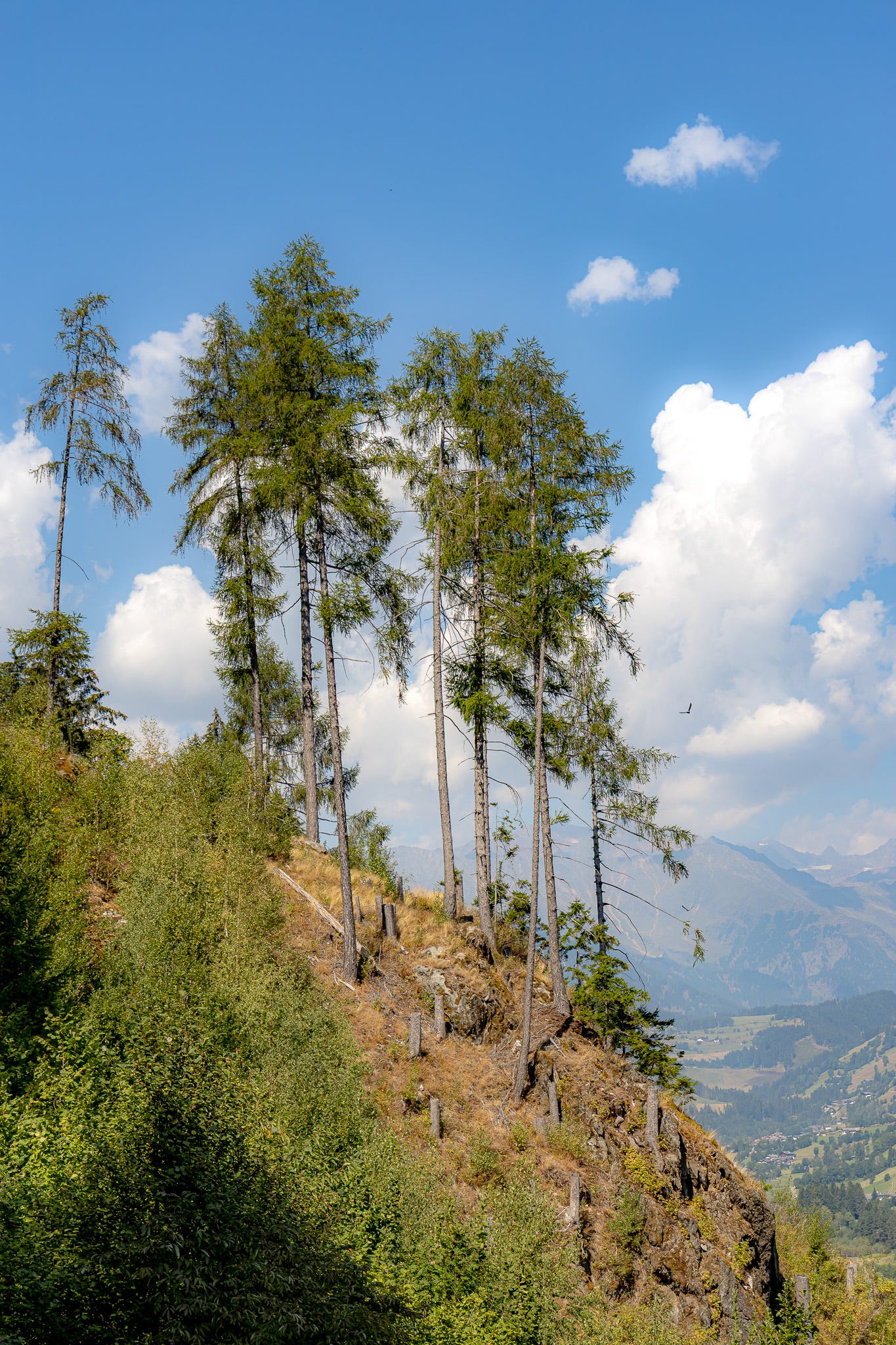
Now the uncomfortable paragraph, which I will try to write without the moralism that the subject invites and that I have spent years arguing against in other contexts.
Zygmunt Bauman once drew a line between the tourist and the vagabond. The tourist moves because she wishes to and can stop whenever she likes. The vagabond moves because the place he was in became impossible, and no one asked him. The distinction was always partly a matter of paperwork. It is now also a matter of physics, and the physics no longer distinguishes. The same warming Mediterranean that pushed the family from Naples to Val Pusteria is pushing other families across that Mediterranean in less agreeable vessels, and it is doing so by the same mechanism, at the same time, with the same indifference. Two migrations, one cause, opposite juridical regimes. One is a market segment with its own portmanteau word; the other is a border problem. There is no moral inference I want to draw from this. I only want the symmetry on the page, because the whole difficulty of thinking about climate is that it produces a single physical fact and a thousand different legal persons.
The economics are braided in as well, which spoils any clean climatic story. Italian beach establishments raised tariffs six percent this year and twenty-four percent over five years. Some of the emptiness under those umbrellas is heat and some of it is a family doing arithmetic. Class and climate arrive together, as they always do, and it will be impossible to separate them retrospectively.
And then there is the response of the receiving territory, which is the genuinely novel political fact of this summer. South Tyrol has capped itself. Overnight stays are limited to the 2019 level of 34 million. The province has fixed roughly 230,000 approved guest beds and forbidden new accommodation, Airbnb included, unless an existing establishment closes. For this summer, Bolzano added coordinated flow management: closed numbers at the pressure points, and shuttle-only access to the Tre Cime from Dobbiaco between the end of May and mid-October.
Read those measures in the light of everything above, and they change character. They were designed as an answer to overtourism, a quality-of-life question, a housing question, and a traffic question. They are becoming something else: the first administrative instruments for rationing habitability. A province is deciding, by ordinance, how many people may be cool within its borders, and it is doing so at precisely the moment when being cool is ceasing to be a preference and beginning to be a need. I would call this “climatic sovereignty,” and I would note, without proposing anything, that it is being invented in a jurisdiction of half a million people, in German and Italian, in the form of a bed count, several decades before anyone will admit that this is what it is.
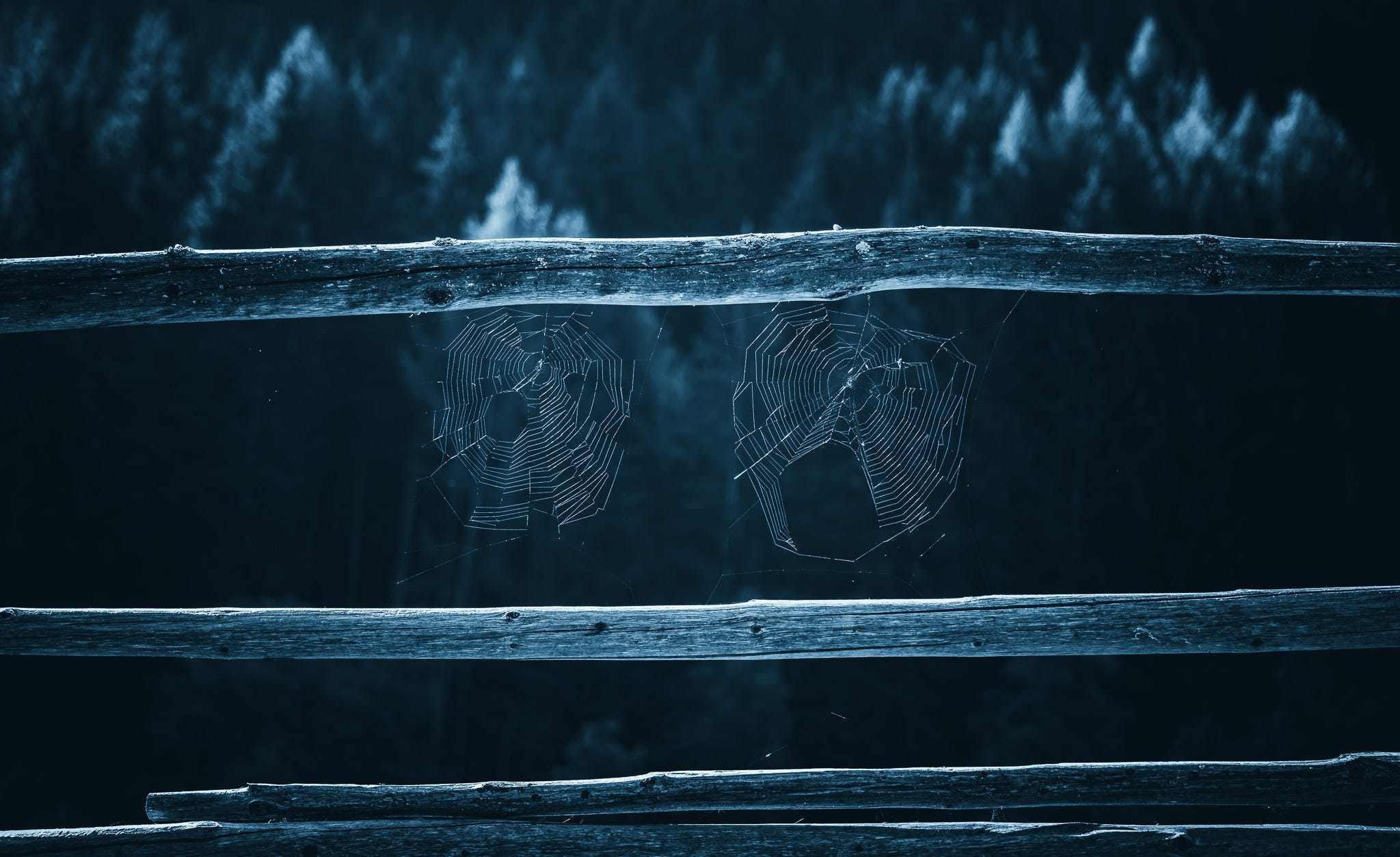
What are we, then, my wife and I, with our Milan apartment and our two weeks at altitude and our refusal of the seasides?
Not nomads. Nomadism is the wrong romance, and it is always proposed by people with excellent apartments. The nomad has one life, carried; we have several lives, each attached to a place, each with its own set of obligations, its own bus timetable, and its own idea of what constitutes a reasonable dinner. What the heat is doing to the European middle class is not uprooting it. It is multiplying its roots and shortening each one, so that belonging becomes a portfolio rather than a condition. This is survivable. It is even, in certain lights, pleasant. But it should not be confused with the thing it replaced, which was the capacity to be from somewhere in the singular, and which required, among its other conditions, a climate that stayed where you left it.
In 1991, two German walkers coming down from the Similaun found a body in the melting ice at 3,200 meters, and it turned out to be five thousand three hundred years old. He is in Bolzano now, an hour from where I heard the grandmother complain about the coffee, in a museum, in a refrigerated cell held at about six degrees below zero, because the mountain that kept him for fifty-three centuries can no longer be trusted with the job, and we have taken it over ourselves.
That is the arrangement, complete. The ice retreats and gives up its dead. The same retreat sends the living upward to occupy the space, and the cold that both parties require is now manufactured, metered and, in one small autonomous province, legislated. Dante, who knew the local geography, put the last circle of hell not in fire but in ice, on the reasonable grounds that there is no direction in which one may flee that is not also a place. We are going up. We should be clear with ourselves that “up” is a direction, not an exit.
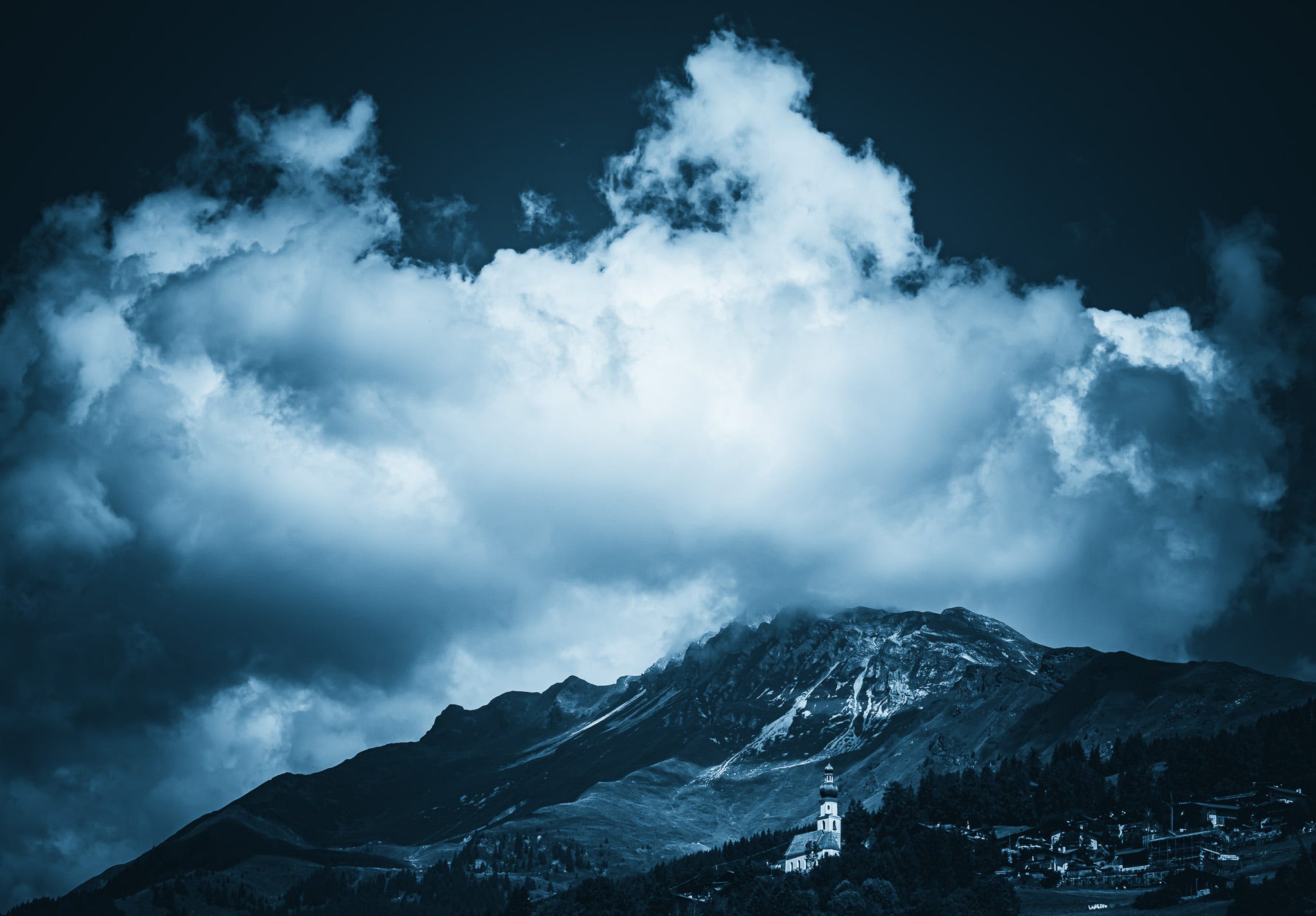
We are currently in Campos do Jordão, Brazil’s highest municipality at 1,628 metres above sea level. Daytime winter temperatures here average around 22 degrees centigrade, and the denizens driving up from São Paulo to enjoy the refreshingly “chilly” weather are finally heading back down to their normal lives. We are told this place is far less popular in the summer, when temperatures can reach 28 degrees which one would think sounds like heaven compared to the baking lowlands. Haven’t been here long enough to figure out where Paulistas spend their summers.
We’re heading for the Italian Alps two weeks from now but having doubts whether this is a good idea.
This is a beautiful essay. Thank you.